


Blog

Beyond the Brush: Unveiling the Aesthetic of Algorithmic Apophenia in AI-Generated Art
Thu Mar 26 2026
Aamina
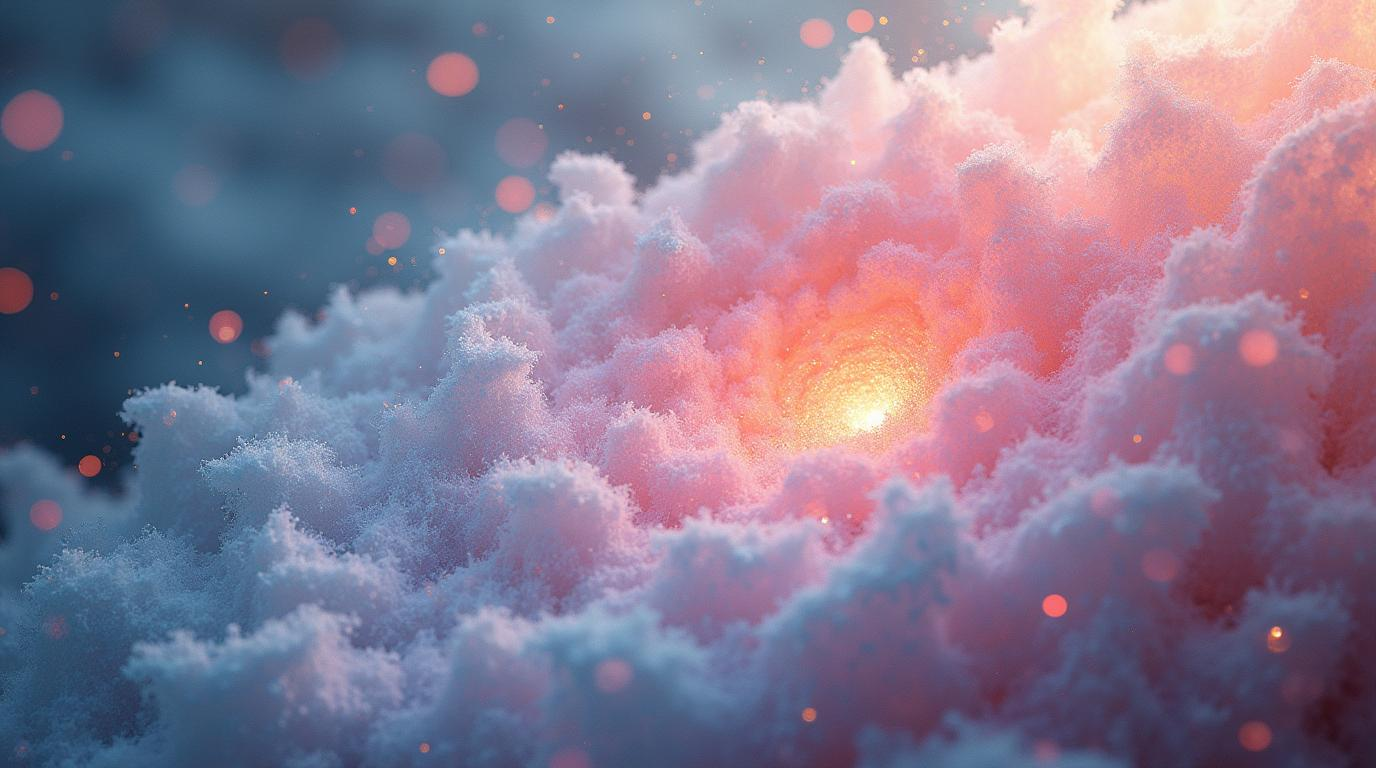
Beyond the Brush: Unveiling the Aesthetic of Algorithmic Apophenia in AI-Generated Art
The realm of art has long been a bastion of human creativity and expression. However, with the advent of artificial intelligence (AI), the landscape of art is undergoing a significant transformation. AI-generated art, in particular, has been gaining attention for its unique aesthetic and ability to influence human perception of patterns. This phenomenon is rooted in the concept of algorithmic apophenia.
What is Algorithmic Apophenia?
Algorithmic apophenia refers to the tendency of algorithms to recognize patterns in data, even when those patterns are not explicitly present. This concept is closely related to apophenia, a term coined by German neurologist Klaus Conrad in the 1950s, which describes the experience of seeing meaningful patterns or connections in random or meaningless data.
The Aesthetic of AI-Generated Art
AI-generated art often exhibits a distinct aesthetic that is characterized by:
- Fractal patterns: AI algorithms can create intricate, self-similar patterns that repeat at different scales.
- Geometric shapes: Machine learning models can generate art that features geometric shapes, such as triangles, circles, and squares.
- Abstract compositions: AI-generated art often results in abstract compositions that blend colors, textures, and patterns.
Influence on Human Perception of Patterns
The aesthetic of AI-generated art has a profound impact on human perception of patterns. By exposing us to novel, algorithmically generated patterns, AI art can:
- Enhance pattern recognition: Our brains become more adept at recognizing patterns, even in noisy or ambiguous data.
- Challenge traditional notions of art: AI-generated art forces us to reevaluate our understanding of creativity, authorship, and the role of the artist.
The Impact of AI on Art Perception
The rise of AI-generated art is not only changing the way we create art but also how we perceive it. With AI algorithms capable of generating art that is increasingly sophisticated, we are forced to confront the following questions:
- What is the role of human creativity in art?
- Can AI-generated art be considered truly creative?
Machine Learning Art Influence
Machine learning algorithms have a significant influence on the art world, with many artists and designers using AI as a tool to generate new ideas and explore novel aesthetics.
Pattern Recognition in AI Art
Pattern recognition is a critical component of AI-generated art. By analyzing large datasets, AI algorithms can identify patterns and relationships that are not immediately apparent to humans.
Conclusion
The aesthetic of algorithmic apophenia in AI-generated art is a fascinating phenomenon that challenges our understanding of creativity, pattern recognition, and the role of AI in art. As we continue to explore the intersection of art and AI, we may uncover new insights into the human perception of patterns and the nature of creativity itself.
In the realm of digital innovation, understanding the intersection of technology and creativity is crucial. At Pixel Solutionz, we harness the power of AI and machine learning to deliver cutting-edge digital solutions. Whether you're looking to leverage AI for artistic expression or drive business growth through data-driven strategies, our team of experts can help. Contact us today to explore how we can bring your vision to life.