


Blog

The Hidden Cost of Efficiency: How AI-Driven Predictive Maintenance is Affecting Factory Workers’ Mental Health
Tue Mar 31 2026
Aamina
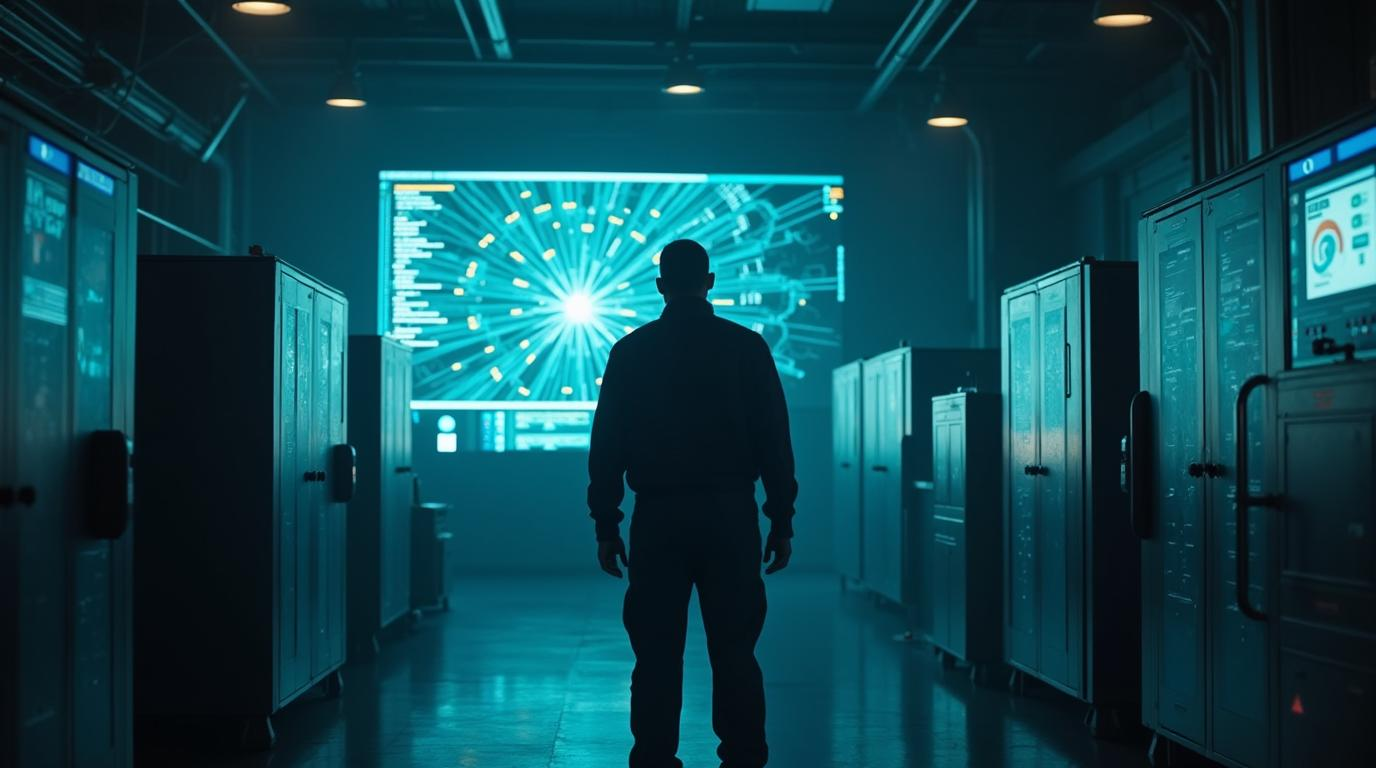
The introduction of AI-driven predictive maintenance in factories has revolutionized the way machines are monitored and serviced. By leveraging advanced data analytics and machine learning algorithms, manufacturers can predict equipment failures and schedule maintenance accordingly, reducing downtime and increasing overall efficiency. However, beneath the surface of this technological advancement lies a concerning trend: the unseen psychological toll on factory workers.
The Human Impact of Industry 4.0
The integration of artificial intelligence and automation in manufacturing, often referred to as Industry 4.0, has significantly altered the work environment. While the benefits of increased productivity and reduced costs are well-documented, the psychological impact on workers is a growing concern. Factory workers are not only required to adapt to new technologies but also face the stress of working alongside machines that can predict and potentially replace them.
The Psychological Impact of Automation
The fear of job displacement is a significant stressor for factory workers. A study by the McKinsey Global Institute found that up to 800 million jobs could be lost worldwide due to automation by 2030. This anxiety can lead to decreased job satisfaction, increased turnover rates, and a decline in overall mental health.
Predictive Maintenance Stress
AI-driven predictive maintenance systems can monitor equipment performance in real-time, providing factory workers with a constant stream of data. While this information can be useful for optimizing production, it also creates a sense of hypervigilance among workers. They may feel pressure to:
- Constantly monitor equipment performance
- Respond quickly to alerts and notifications
- Meet production targets despite maintenance schedules
This stress can be exacerbated by the lack of control workers have over the maintenance process. They may feel that the AI system is dictating their work schedule, rather than the other way around.
The Future of Work Mental Health
As Industry 4.0 continues to transform the manufacturing landscape, it's essential to prioritize the mental health and well-being of factory workers. This includes:
- Providing training and support for workers to adapt to new technologies
- Encouraging open communication about stress and anxiety
- Fostering a positive work environment that values worker contributions
Manufacturing Worker Well-being
The well-being of factory workers is crucial to the success of any manufacturing organization. By acknowledging the psychological impact of AI-driven predictive maintenance, manufacturers can take proactive steps to mitigate its effects. This includes:
- Implementing employee wellness programs
- Encouraging work-life balance
- Recognizing and rewarding worker achievements
In conclusion, the introduction of AI-driven predictive maintenance in factories has significant implications for worker mental health. By prioritizing the well-being of factory workers, manufacturers can create a more positive and productive work environment.
As we navigate the complexities of Industry 4.0, it's essential to remember that technology should serve humanity, not the other way around. At Pixel Solutionz, we believe that digital solutions can enhance human capabilities, not replace them. Our team of experts delivers growth-focused strategies through digital marketing solutions and app development. Contact us today to learn more about how we can help your organization thrive in the era of Industry 4.0.